
Stronger Research, Together: advocacy in dementia research
People with a living experience of Dementia help ensure that research is relevant, respectful and focused on outcomes that truly matter. Our video series ‘Stronger Research, Together’ will help you decide whether you’d like to get involved in co-creating research projects, including the communication of findings.

What is ‘involvement’ in dementia research?
Being involved in research means having an active role within the research team. Involvement can be big or small, but always means having a meaningful voice in the research.
This involvement happens across the entire life of the research, from conception, co-creation and design to implementation, feedback, and the dissemination of findings.
This is different to participating in research, where you provide data to researchers (for example, completing a survey, being interviewed, or giving a blood sample).
Participation and involvement in research are both important, but these videos focus on involvement. Learn more about participating in research below.
Stronger Research, Together: the video series
This video series provides people with a living experience of dementia information about being involved in research.
Each video is presented as a series of frequently asked questions (FAQs). You can watch them in any order, though we recommend starting with the introduction. The timepoints are listed with each video, so you can skip straight to what interests you.
Each video is presented as a series of frequently asked questions (FAQs) and can be watched in any order, though we recommend starting with ‘Introduction to research’. Timepoints are listed below each video, so you can skip straight to what interests you.
You can also download this PDF that summarises the key points in each video:
Video: Introduction to research
The following topics are covered in ‘Introduction to research’:
- Introduction (00:00)
- Summary Points (03:35)

Transcript
[Title card: Introduction to Research]
[BEGINNING OF RECORDED MATERIAL]
Dr Jay: Welcome to this research training for people with a living experience of dementia. My name's Sarah, and I'm the Consumer Engagement Coordinator for Research at Dementia Australia. This training is designed to answer key questions about research and to help you decide whether you'd like to get involved in research projects.
- The training is set up as a series of short videos, covering topics like:
- Why you might want to get involved in research
- What you need to know to get started
- The different roles you might have in research as a person with a living experience of dementia and
- What support you can expect from researchers you work with.
You can watch the videos in any order and pause or replay them as you wish. This first video provides an overview of research, including the roles of Dementia Australia and the Dementia Australia Research Foundation. Dementia Australia and the Dementia Australia Research Foundation can provide advice, support and expertise on involving people with living experience of dementia in research.
There is no one better placed than someone who is living with dementia or caring for someone living with dementia to confirm that aspects of the study design, the interventions, the timeframes or language, are appropriate, or perhaps need modification.
Dr Smith: Having people with dementia and their care partners involved in a project, a research project from the beginning, is invaluable. In my research, with people with dementia and care partners, I really think that they need to be involved across the whole process of research. I come from a disability studies perspective where people with disability are included in research from the start, through to the analysis and knowledge dissemination, and I feel like that applies for people with dementia as well.
Anne: I think that, without that lived experience, to compliment the formal research and put it all together, it misses something really important
Dr Jay: Involving people with a living experience of dementia in the design and development of dementia research, strengthens research projects and ensures that the findings are more easily translated into the real world.
Dr Samtani: It's really easy for researchers to be in their own ivory tower and design projects that are actually not helpful to people. So, the main benefit of having people with lived experience or living experience is to get their feedback on what's appropriate and what they actually need so that our programs can be useful out there in the real world.
Dennis: One of the good reasons for having people with dementia involved, is that, initially their experience is going to help develop better tools, if you like, more focused on people's abilities. Ultimately, the outputs from them are then far more credible.
Dr Jay: Dementia Australia and the Dementia Australia Research Foundation, champion the involvement of people with living experience in research, design and development. We understand the positive impact it has on developing or contributing to dementia knowledge, and we are committed to supporting dementia advocates and researchers to meaningfully and successfully collaborate.
Summary Points
This training is designed to help you learn about research and decide whether you’d like to get involved in shaping research design and implantation.
This training is set up as a series of videos that you can watch in any order and stop and start them as you wish.
People with a living or lived experience of dementia bring unique and essential insight to research.
Your involvement helps make research more practical, respectful, and real.
Dementia Australia and the Dementia Australia Research Foundation, support Dementia Advocates and researchers to meaningfully and successfully collaborate.
[END OF RECORDED MATERIAL]
Video: Involvement in research
The following topics are covered in ‘Involvement in research’:
- What’s the difference between involvement and participation in research? (00:21)
- Why get involved in research? (01:27)
- Does my involvement really make a difference? (02:57)
- I don’t have research experience – can I still be involved? (04:53)
- Summary Points (05:57)

Transcript
[Title card: Involvement in Research]
[BEGINNING OF RECORDED MATERIAL]
Dr Jay: If you are new to research, you might be wondering if including the living experience perspective really makes a difference to a research project. The answer is definitely "yes." All research and all researchers can benefit from involvement of some kind. A question I'm often asked is, "what's the difference between involvement and participation in research?" You're probably most familiar with participation. This is when you provide your data to researchers, for example, by completing a survey, giving a blood sample for a drug trial, or joining a lifestyle intervention program. Participation is essential to research, but it's different from involvement. Involvement describes having a role within the research team where you can make suggestions and help make decisions about the research. For instance, you might help decide what's researched, set priorities, influence how the research is carried out, interpret the results, or advise on how findings are shared. Involvement can be big or small, but it always means having a meaningful voice in the research. Both participation and involvement are important, but this training focuses specifically on involvement.
Natalie: It gives me great purpose that I'm valued, that I'm seen, and what I have to say, matters.
Prudence: It feels like something practical towards making things better. So, whether that be for the person I'm caring for in the dementia landscape, or whether it be for myself and other carers, to make our lives a little easier considering we are facing such challenges.
Isabelle: It's a way to learn about dementia. It's a way to connect with other individuals who have a lived experience, and also, I felt it was a way for my mum to give back and for me to give back and use our experience to ensure that no other family would have the same experience that we did.
Dennis: You may not see a direct benefit from that involvement. For example, what's the chances of them developing a cure for you? But the process of involvement in the engagement can actually be positive and reduce the impacts on the way things progress for yourself.
Ann: It's the right of a person with a lived experience to be involved so that we do get it right.
James: I find it immensely satisfying, being involved in the creative and the orderly processes of discovering. It's an important knowledge that may lead to potentially the development of novel interventions.
Dr Samtani: Having the input of people with living experience has completely changed how I do research. It's like day and night. When you speak to someone who's experienced these things in their life, there's practical tips that you would never have thought of.
Dr Shoubridge: It's easy to get buried in the science that happens in the laboratory, but working with people living with dementia, it really humanises my research. If you don't have that connection with people living with dementia, we can lose sight of why we're doing it.
Dr Baddemosi: Also, bringing a sense of urgency that it's so easy to lose sight of, you know. At times where I might have stumbled on significant potential therapies that I'm more than happy to wait five years to validate, but when I speak with someone, it pushes me to say, "Okay, I've got to do more."
Assoc. Prof. Goh: One of my research projects was co-designing a dementia education program for home care workers. I didn't really have a good understanding of what it's like to have a home care worker in your home providing care, providing assistance, and often, in really intimate parts of care. So, I was very grateful for their generosity in telling me what that's like and what it's like to let someone into your safe space and your home, and the types of things that home care workers would need to know to provide good dementia care. So, I think involving people with living experience in designing education in that particular project, really enhanced the dementia training, so it would be useful in the real world.
Dr Shoubridge: Science benefits from open discussion. It's a team effort. We're looking to improve the health of the community, and we all work together towards it, and I like to think that that's where the gold is in between the different perspectives. That's what really gives the big advancements.
Ann: It is fair to say you don't need to know about the topic, but that's something that is up to the researchers too; to help develop in the advocates, is to help to get them to understand what they're actually doing and why they're doing it.
Bobby: There are always areas where you're coming into something completely different, and I mean, that's part of the pleasure because it's stimulation because it's new information and you're kind of getting to know it.
Isabelle: I've had a couple of projects where I haven't really understood fully the details of the project. One example was looking at a genetics project, and I'm no geneticist, and so I came into it with the mindset of, ‘I'm looking to offer you my insights because I can see the broader implications of this genetic project.’
Ann: Having a lived experience doesn't mean that I have to understand every bit of their research, but it means that they can understand a little bit more about dementia.
Summary Points
Being involved in research and participating in research are different.
Participating in research involves providing your data in some way (responding to a survey, providing a blood sample), but being involved in research means influencing what’s researched, how it’s researched and how to let people know about the results.
Your living or lived experience expertise brings purpose and practical insight to the research and helps researchers better understand what it’s like for people living with dementia and their carers.
You don’t need to be a research expert to be involved, your living or lived experience of dementia is your expertise.
Being part of a research team can be empowering.
It’s your right to be included in decisions that affects you and your community.
[END OF RECORDED MATERIAL]
Video: Understanding the research cycle
The following topics are covered in ‘Understanding the research cycle’:
- What is the Research Cycle? (00:00)
- How does my involvement help with challenges that come up at each stage of the research cycle? (00:34)
- Summary Points (03:53)

Transcript
[Title card: Understanding the Research Cycle]
[BEGINNING OF RECORDED MATERIAL]
Dr Shoubridge: So, the cycle of research often starts with the development of an idea, which then leads into writing for a grant application, hopefully getting funding; and then leading that to the research project, which then leads to sharing the findings, which then leads to the growing of an idea which has built upon the previous idea and so the cycle continues. And, it's any of those stages to have someone involved with living experience, is absolutely important and critical.
Dr Samtani: Designing a project presents different challenges in its different stages. The first challenge and probably the most important one is, "Is a project really worth doing?" "Is it actually going to help people living with dementia?" and I think that's where the shared brainstorming is so important. Why do a project if it's not going to be helpful? The second challenge is to make a project scientifically valid. This is where we need to get input from not only statisticians or who are research managers, or mentors are, but also people with living experience to make sure that whatever it is that we are designing, is practical, doable, and delivered and designed in a way that it is respectful and appropriate and actually what people want. The third challenge is to get research funding, and that's a big challenge, but what can make that easier is getting direct quotes from someone with living experience, makes all the difference. Just to think about "Why is this so important?" "Why do we need that research?" "What would it mean for someone's life?". I think the fourth challenge is setting up a study, because setting up a study, we have multiple steps like getting an ethics application. In my case, running a clinical trial, it’s getting clinical trial insurance, it's getting a clinical trial registered, and it's getting a protocol approved by the university and getting research agreements done. And in these steps, I think it's also important that you have an advisory group that rides this journey along with you and provides input on the various steps, because I found it, honestly, life changing to have that input; because the way I thought we would get participants is not the way we actually get participants, and having that input of who should we approach? When is it appropriate? What are appropriate materials? Down to the pictures, words that we have on our flyer to the information sheets, to the social media outreach. Everything we do from A to Z is guided by people with living experience. I think the final challenge is disseminating the research, and I think this is where having someone with living experience alongside you to share the results with the world. If that person would like to be recognised and is willing, I think it just makes all the difference. No one wants to hear a researcher go on and on about some study that they did and what they found. I don't know about you, but I would rather hear from someone living with dementia or someone with lived experience saying what this project means for people.
Summary Points
Research is a cycle and your perspectives are important at every stage.
All contributions – big or small – help make research more meaningful and effective.
Your insights help shape a project from the very beginning and can strengthen funding applications and study design.
Your involvement in how research is done, can make the experience better for those who participate in research studies.
You can ensure that important study findings are accessible to people who aren’t scientists.
Knowing what to research next → Deciding what to research → Deciding how to do it → Getting funding/applying for funding → Doing it → Letting people know the results. Research cycle figure adapted from: McKenzie A., Hanley R. (2014) Planning for consumer and community participation in health and medical research: a practical guide for health and medical researchers.
[END OF RECORDED MATERIAL]
Video: Different research roles
The following topics are covered in ‘Different research roles’:
- Different roles at different stages of the research cycle? (00:00)
- What sort of tasks will I be doing? (01:16)
- Summary Points (04:30)

Transcript
[Title card: Different Research Roles]
[BEGINNING OF RECORDED MATERIAL]
Dr Jay: Every research role should be tailored to the specific needs of the people involved; the researchers, the people with a living experience of dementia, and the project itself. Involving people with a living experience of dementia from the very start of a research project is ideal, but meaningful involvement can and should happen at every stage. Research roles can be small and once-off, or ongoing throughout the life of a project. As an advocate, you might help researchers decide their research priorities, fine tune research topics or methods, improve project materials, ensuring participant documents are clear and use appropriate language. Identify barriers to recruitment or participation, or help share and promote research findings. More ongoing roles might include being a member of an advisory group or a steering committee that provides guidance and oversight to the research team throughout the entire project. Increasingly, dementia advocates are also joining research teams as formal co-investigators or chief investigators.
Isabelle: Some roles I've held as an advocate includes: on expert advisory panels; I'm the consumer representative on the Dementia Australia Research Foundation Board, which helps to give a voice to people with a lived experience at the table where some research priorities are being set; I have provided advice and user testing for websites or products in development. I have also provided feedback to researchers on survey design.
Natalie: Given my background in education, I’ve reviewed training modules, created an informative booklet, and even designed a 'talking mat' to help assist people living with dementia who are experiencing communication difficulties.
Prudence: In one situation I've been involved in, is focus group kind of settings where we've come and met multiple times and talked through lived experience that was relevant to the particular project or supported creating infographic or information documents.
Dennis: With a lot of projects, once the broad scope of the project's been realised, I've been then heavily involved in designing the mechanics of how they're going to do their project. And some of those have been beautiful in that you then may go through a trial run of the project to refine it.
Ann: I'm involved in numerous lots of research projects and universities. And some of the universities just have a group of people, including people with lived experience, and they'll bring their researchers to that group, and the researchers can run through their application or their ideas, and we can give feedback at that level. So, it's really at the beginning of their research, it's sort of a bit of a circle. Advocates are there to help them keep true to what their research is about, but the researchers also have to be true to the advocates and involve them and share why it's going to be good, why we need you involved, and how can we get this out to the world? How can we publicise it? What do you think we should be doing? Can you help us with flyers? Can you help us with plain language summaries for people? Would you help present at a conference? So, it's really an exciting area.
Bobby: I've had many roles in research, and I worked alongside psychologists and the researchers as a mentor to people who are newly diagnosed, but now I've sat on many advisory committees. Also, now doing a lot of work as an associate investigator. So, I'm probably on, I don't know, about a dozen research projects at the moment, and it really feels like my life's work. So, really enjoying it.
Summary Points
The role you play in the research will be based on the type of research project or the stage of the project. It might also be based on your interests and specific living or lived experience you bring.
Some of the tasks that you might do in a research role include:
- Being part of discussions that help decide research priorities
- Identifying aspects of a study design that aren’t practical
Some of the tasks that you might do in a research role include:
- Providing feedback on a plain language summary for a funding application
- Being a member of an advisory panel or steering committee
Some of the tasks that you might do in a research role include:
- Improving clarity and accessibility of research documents
- Co-designing resources or tools
Some of the tasks that you might do in a research role include:
- Co-presenting finding at conferences
- Being an Associate or Chief Investigator
[END OF RECORDED MATERIAL]
Video: Getting started
The following topics are covered in ‘Getting started’:
- How do I connect with researchers? (00:16)
- How do I decide whether to take on a research role or not? (01:03)
- What should I expect when working alongside researchers? (02:27)
- What do I need to do to prepare? (04:32)
- Summary Points (05:50)

Transcript
[Title card: Getting Started]
[BEGINNING OF RECORDED MATERIAL]
Dr Jay: Dementia Australia helps connect dementia advocates with researchers who want to involve people with a living experience of dementia in their projects. Once you're connected with a researcher through Dementia Australia, you're free to begin working together in whatever way suits you both best. Although Dementia Australia isn't directly involved after that point, you can always come back to us if you have questions or concerns or need help navigating tricky conversations. We are here to provide guidance and additional support whenever you need it, and once you've connected with researchers, they might contact you directly. Of course, that's absolutely fine, you don't need to involve Dementia Australia each time, but remember, you can always say 'no' to an invitation or change your mind at any stage, and if you ever need help or advice around this, we're always here to support you.
Natalie: Firstly, I look at the topic, followed by the time commitment and what I am being asked to do.
Isabelle: I like to seek out projects that align with my family's experience and what perhaps didn't go so well for my mum. So, I am always happy to put my hand up for anything that is regarding diagnosis and how to improve diagnosis.
James: I usually will think about, "does this topic really grab me?” “Do I like the kind of processes that are part and parcel of this research project?" And "do I like the kind of roles that I might be able to perform in" if I'm pulled into this particular research, and the term of the project. So, whether it's going to be a one-year, two-year, three-year project.
Dennis: The time commitment is a big issue, but it's not as big as some people think. If it's long and boring, yes, it is, but if it's long and exciting, it's not.
Ann: I tend to be able to have that judgement now that I can tell if something's authentic or not, just by the way it's been written or being presented to me and how much respect they have for advocates or not. And so, if it doesn't look right, I don't do it.
Bobby: Now, I only take on roles really that are meaningful and have a sense of feeling about it.
Dr Samtani: When people with living experience are joining a research project and what they should expect from researchers, is that the researchers are really clear about what stage of the design process they're in. Are they brainstorming? Do they already have a project that they want to run past people and see if it's worth doing? Are they already running a project? Are they applying for grants? So, they might be at different stages. I think getting to know a person as a whole, is just so important. Just because someone's living with dementia or has a lived experience doesn't mean that that defines them. I just see that as just another part of their life. What's really interesting is to get to know the person, who they are, what they did, who's at home, do they have any pets? What's their personality? Because it's really that friendship you develop with that person and that trust that builds the relationship over time.
Ann: It's a very personal thing, and as individuals, we'll respond differently to different methods of communication. Some people are better with a written word and some people are better with a phone call. Some people are better with a zoom call, so it's just a matter of the person taking time, the researcher taking time, to actually talk those things through before they start their research.
Assoc. Prof. Goh: Look, I think we all have different motivations and different things that we want from the research, but really that's the beauty of the diversity of research teams if you include everyone involved and affected by the research; is that you get different lenses, different perspectives, different ideas about what would make good research to affect outcomes for people in the dementia community, and just understanding that everyone's perspectives, make up a beautiful whole.
Natalie: To prepare, I ask if there are questions that will be asked, so that I can prepare my answers ahead of the meeting. I also ask that the agendas be followed as set out, as I become confused if changes are made on the spot. If there are questions on the spot, I sometimes will ask for a few moments to answer them or provide feedback via email.
Ann: I make sure that I'm well prepared. I've read the information that's been available, either if it's short, I can read it online or the hard copy, but I'll familiarise myself with it several times because I can't remember the way I used to. And I'll make notes, and so that when the meeting arrives, I've already got my little cheat sheet.
Bobby: And even though we're not necessarily going to hold onto all the information that we've read, it then becomes familiar. So, when somebody talks about something, it triggers something in our brains that we are able to kind of think," oh yeah, I vaguely remember that's what we were doing," so that prep time is important.
Summary Points
Dementia Australia is always there to support you and can connect you with researchers.
It’s good to choose projects that align with your interest, values and personal experiences.
Think carefully about the topic, time commitment, and the role you’re being asked to take on.
It’s okay to say no to any invitation, change your mind at any time or walk away from projects that don’t feel right or respectful.
Researchers should take time to build a relationship with you so they can find out how best to communicate and support your involvement.
Researchers should be clear about what stage their research project is at and what sort of living or lived experience involvement they are looking for.
Preparation helps all those involved: you might need to review agendas, notes and past minutes before any meetings.
[END OF RECORDED MATERIAL]
Video: Support and advice
The following topics are covered in ‘Support and advice’:
- What should I expect from researchers? (00:00)
- What practical things will support my involvement? (00:57)
- What if my circumstances change? (02:57)
- How will my involvement be acknowledged? (04:51)
- Final thoughts (08:13)
- Summary Points (09:46)

Transcript
[Title card: Support and Advice]
[BEGINNING OF RECORDED MATERIAL]
Dr Jay: In most cases, the only expertise you need for a research role is your own living or lived experience of dementia. If any additional knowledge or training is required, it's the researcher's responsibility to help get you up to speed. Aside from clearly outlining your tasks, researchers should also let you know the approximate time commitment involved and whether there's any remuneration. Researchers are encouraged to keep advocates informed throughout the project, including updates during delays, sharing final findings, and outlining future possibilities once the research wraps up. Remember, if you're ever unsure about your role or need further guidance, you can always ask the researchers directly at any time.
Assoc. Prof. Goh: As a researcher, we know we like our paperwork, but sometimes that doesn't suit everybody. So, there's been kind of more openness to phone calls, to verbal communication to support people who can help with explaining information. So, whatever you need, you ask, "what do you need to make this more understandable to you?" And then we strive to change our procedures and strategies to make our meeting schedules, our agendas, our minutes, our research results, our research methodology, much more understandable for everybody in the room.
Isabelle: One project they gave us as a group, a PowerPoint presentation, and they stepped through some of the basic principles of their research.
Dr Samtani: What I learned to do is to provide notes in advance, a few days in advance, to send meeting links with the agenda; what we are going to do, but that also, I've learned to refine and provide a recap of, "this is the goal of the study." "This is what we are trying to do," "This is where we are up to." "These are the points I would love your advice on, please reflect on this." And then when we meet, I want to know what your thoughts are.
Ann: There are meetings that I go to that I have a pre-meeting before the meeting, and it's only with the advocates because there's going to be a lot of things discussed. And that means they really respect us enough to spend that time of their day going through a meeting that's going to be in a couple of days’ time so that we feel comfortable. So, if we can think things through and have time to form responses, if we need to, or just know what's going on in plain language. So, if I can't make a meeting due to just being not well that day, they'll send me the information or they'll have a meeting and discuss what they talked about.
Isabelle: As an advocate, often you sign up for everything because you're really enthusiastic and sometimes down the track you realise you might be a little over subscribed.
Prudence: So, just being very selective about what you do. You don't have to do everything. Don't feel pressured to do anything. If you start something and it's not working for you, don't continue. If you start something and they express it's going to be one way and it changes, don't continue if you don't want to, or express why you're not continuing and let them know why things have changed in your mind.
Bobby: I have put out fears that I've got to step back from a few things next year purely because I know that I'm not coping as well. And for the same reason as I decided I would leave work, because I was no longer able to do the work the way that I wanted, with my dementia, with my current health. I can't do the work in the way that I want to be able to do it, so I will step back for that reason.
Isabelle: So, I was approached to provide some feedback on the development of an online tool, some sort of user testing, so to say. But I didn't realise at the start, how long that would take me, what the expectation of the researchers were, and it just happened to coincide with a busy period at work, and so unfortunately, I got the job done, but I wasn't able to engage with it to the degree that I wanted to. I think we can overcome that by setting the parameters from the start so we can set perhaps some proposed timeframes or suggested length of time that an advocate might spend on a project.
Dr Samtani: I think co-design and working with people with living experiences is so integral to the research that we do, and it's important that people with living experience have authorship over the content and to deserve recognition for their intellectual input, just like researchers. I think we are all researchers when we do this work together.
Natalie: I would like to be acknowledged for my work, like anybody does, so, for me, I'm not too big on money. I think advocacy is really priceless and a selfless thing to do, and I understand not everybody agrees with that.
Dr Bademosi: In my experiences of working with people living with dementia, passing on acknowledgement usually comes in the form of social media acknowledgement or published manuscripts acknowledgements.
Bobby: I mean, I've never in it for the money. It's always lovely to have the opportunity of, well certainly get your expenses covered, which didn't use to happen, but really and truly, I love it when the name goes on paper.
Isabelle: Every person is different and their needs might change over time. I feel like I'm an interesting example, because when I first got involved in research, I was an undergrad student and the benefit of collaborating in research on my CV far outweighed any dollar amount. However, that can and will change over time.
Prudence: As a carer, especially if you are on carer's allowances and things like that, or if you're working part-time to manage your care and responsibilities, money is a very, very tight thing, and a budget is something that you are constantly conscious of. So, as much as we do it for the long-term benefits, sometimes it's because we need that extra cash, especially when you're thinking about the considerations at home, organising someone else to look after your loved one, maybe getting work covered, to show up. If you're travelling a far distance, petrol, tolls, all these different things, they start to really, really add up, and there needs to be a transparent conversation about what people need to show up and not feel devalued.
James: There was a project that I was involved in for 12 months and there was no remuneration at all. At the very end, while I was required to do some digital recording with a particular university, and because I've got a background as a voiceover artist, I was able to nail it first time round, and they were really impressed and they were compelled to ask the executive of this research team to find out ways to pay me. So what they did was, they bought me an expensive box of chocolates, which I love, and they also gave me a substantial gift card. Now, that was a pleasant surprise for me because I went in there fully committed to assisting them and contributing in a way that was meaningful and added value to their project.
Bobby: I'd say, don't even stop to think, it's such a wonderful role. It really is wonderful. It's so diverse. You can offer so much, but you can get so much back from doing it. You really feel you're making a difference. It gives you a sense of purpose because you're constantly thinking, you're constantly engaging your living life fully, and the life you're living is really worthwhile. So yeah, don't ever hesitate.
Dennis: Ultimately, the products of the research are going to be more relevant than what they would be without your contribution.
Prudence: You are the most valuable piece for the researcher. They cannot do their research without you. So, feel confident in that, that your experience is your truth.
Isabelle: Appreciate and value how much you have to offer and how much your lived experience can shape and enhance the research that's done in Australia and throughout the world, and how that research will then influence how we diagnose dementia, how we care for people living with dementia, and how we improve the lives of everyone impacted by dementia in Australia.
Dennis: It will leave something that will contribute to a much better future for everyone.
Summary Points
Stay informed: ask questions if you’re unsure about your role or project updates.
Researchers should clearly explain your role, time commitment, and any payment or recognition.
Be upfront about your needs, availability, and preferred level of involvement, and be honest about your strengths, interests and limitations.
Dementia Australia is always there to support you if you need to discuss something about the research or need to have a difficult conversation with a researcher.
Choose roles that fit your life, energy and priorities. You don’t need to say yes to everything and it’s okay to step back if the commitment becomes too much.
Recognition matters: this can include acknowledgements in publications, gift cards or covering expenses.
Value your own expertise: your lived experience shapes and strengthens research.
[END OF RECORDED MATERIAL]
Become a Dementia Advocate
By joining the Dementia Advocates Program, you can work alongside researchers to design projects, review proposals and materials, or contribute through advisory committees.
Participate in dementia research studies
Make a difference by contributing to a range of studies that will help researchers discover new knowledge, innovative treatments and better care for people affected by dementia.
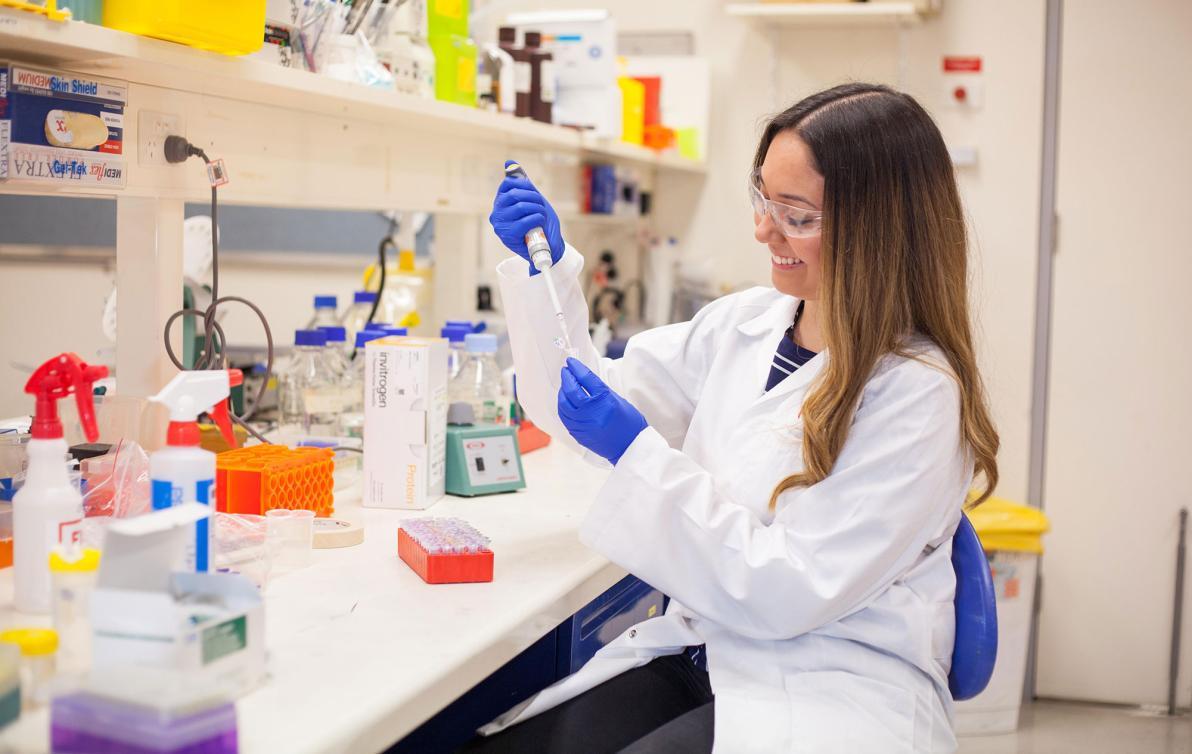
- Dementia research studies
Australian researchers are looking for participants to take part in studies searching for new knowledge, innovative treatments and better care for people affected by dementia.
https://www.dementia.org.au/research/participate-dementia-research/dementia-research-studies - Why participate in dementia research?
Your guide to participating in dementia research.
https://www.dementia.org.au/research/participate-dementia-research/why-participate-dementia-research
The National Dementia Helpline
Free and confidential, the National Dementia Helpline, 1800 100 500, provides expert information, advice and support, 24 hours a day, seven days a week, 365 days a year. No issue too big, no question too small.
