
Take part in dementia research
Stronger Research, Together
Our video series, Stronger Research, Together will help you decide whether you’d like to use your living or lived experience of dementia to get involved in research. Being involved in research means having an active role within the research team and helps to ensure that research is relevant, respectful and focused on outcomes that truly matter.
The following links will take you to YouTube where you can easily view your selected video and others linked to the Stronger, Research, Together series.
 Introduction to researchWatch the video on YouTube
People with a living or lived experience of dementia bring unique and essential insight to research. This video series will help you learn about research and decide whether you’d like to get involved in shaping research design and implantation.
 Involvement in researchWatch the video on YouTube
The following topics are covered in ‘Involvement in research’:
What’s the difference between involvement and participation in research?
Why get involved in research?
Does my involvement really make a difference?
I don’t have research experience – can I still be involved?
 Understanding the research cycleWatch the video on YouTube
The following topics are covered in ‘Understanding the research cycle':
What is the Research Cycle?
How does my involvement help with challenges that come up at each stage of the research cycle?
 Different research rolesWatch the video on YouTube
The following topics are covered in ‘Different research roles’:
Different roles at different stages of the research cycle?
What sort of tasks will I be doing?
 Getting startedWatch the video on YouTube
The following topics are covered in ‘Getting started’:
How do I connect with researchers?
How do I decide whether to take on a research role or not?
What should I expect when working alongside researchers?
What do I need to do to prepare?
 Support and adviceWatch the video on YouTube
The following topics are covered in ‘Support and advice’:
What should I expect from researchers?
What practical things will support my involvement?
What if my circumstances change?
How will my involvement be acknowledged?
Participate in dementia research
Make a difference by participating to a range of studies that will help researchers discover new knowledge, innovative treatments and better care for people affected by dementia.
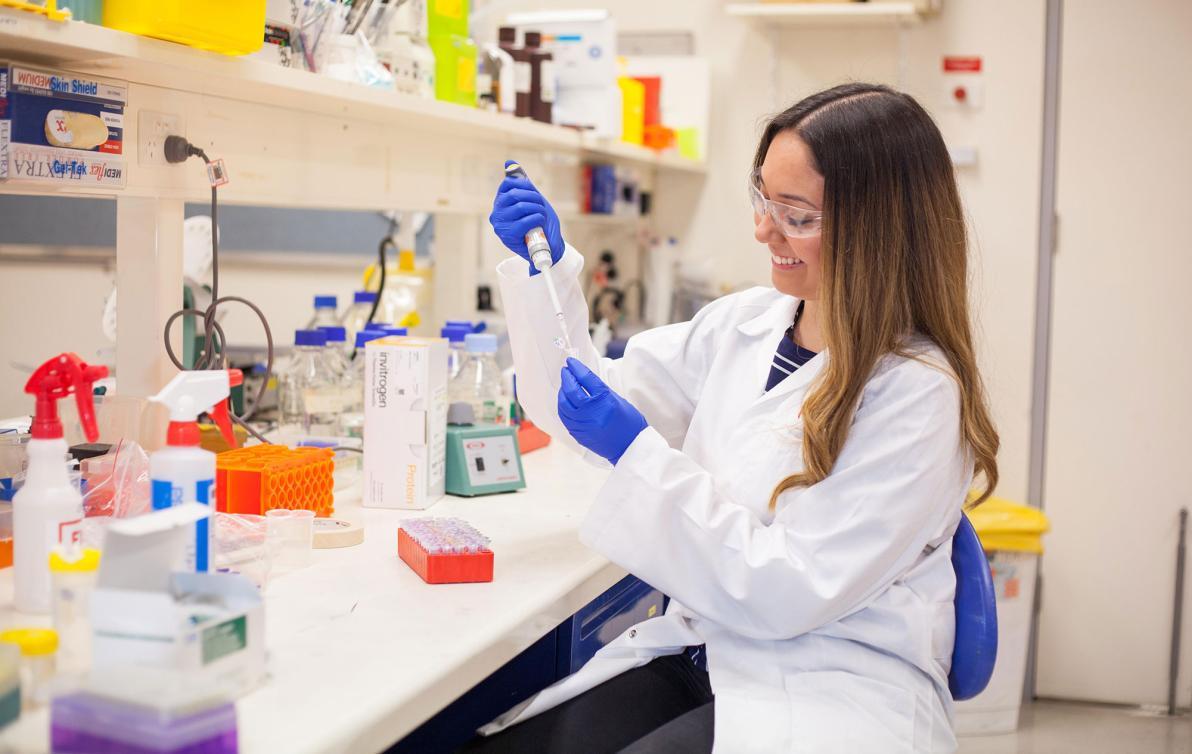 Studies currently recruitingView research studies
Researchers across Australia are seeking participants for a wide range of dementia-related research. Browse our participation portal to find dementia research studies you may be interested in joining.
 Why participate in dementia researchFind out more
Your guide to participating in dementia research.
- Become a dementia advocate and get involved in research
The Dementia Advocates Program provides opportunities for people with living or lived experience of dementia to help shape dementia research by sharing their insights, experiences and priorities.
https://www.dementia.org.au/get-involved/dementia-advocates-program - Are you a dementia researcher?
Find out how we can connect you with Dementia Advocates to involve in your research, help you complete our researcher training, or list your study on our participation portal.
https://www.dementia.org.au/research/participate-dementia-research/submit-your-dementia-research-study
The National Dementia Helpline
Free and confidential, the National Dementia Helpline, 1800 100 500, provides expert information, advice and support, 24 hours a day, seven days a week, 365 days a year. No issue too big, no question too small.