
Dementia policy and advocacy
Dementia Australia is the national peak body supporting people living with dementia, their families and carers. We advocate to all levels of government to reduce the impact of dementia for Australians of all ages.
The impact of Dementia Australia's advocacy efforts
How we advocate

Living experience

Latest research

Sector engagement
Latest advocacy news
Read our recent submissions to state, territory and federal government consultations, position statements and discussion papers outlining the issues affecting people living with dementia, their families and carers below.
 Joint Position Statement on Respite
Dementia Australia and Carers Australia call for an independent review of respite care services to improve access, quality, suitability and affordability for carers and people living with dementia.
 Senate Inquiry into the Support at Home
In our submission to the Inquiry, which was informed by people living with dementia and their carers, we share how Support at Home is not consistently providing people living with dementia the support they need to live safely and with dignity at home.
Dementia Australia’s government submissions
Our submissions are informed by people with living and lived experiences. Submissions to government support our dementia policy priorities and advocate for action on systemic issues across healthcare, aged care, the National Disability Insurance Scheme and upholding the rights of people impacted by dementia.
 People living with dementia Dementia prevention and risk reduction
September 2026
Dementia Australia’s approach for people living with dementia and carers.
 National Safety and Health Quality Service (NSQHS) Standards 3rd Edition (Final Consultation)
September 2026
When compared with people who do not have dementia, people living with dementia are more likely to experience longer hospital stays and poorer health outcomes. Expanding on recommendations made in its 2025 NSQHS Standards submission, Dementia Australia recommends dementia education for all health service staff, supported decision-making, dementia-friendly healthcare environments and tighter safeguards around restrictive practices to improve safety, dignity, quality of life and health outcomes.
 NDIS Supported Independent Living (SIL) Commissioning
September 2026
Dementia Australia supports commissioning where SIL markets fail and advocates for dementia-capable services, flexible supports and genuine choice and control for people with young onset dementia.
- Media releases
Dementia Australia's archive of media releases.
- Position statements
Dementia Australia’s Policy Position Statements address a diverse range of issues that directly impact people living with dementia, their families and carers.
- Discussion papers
A list of papers Dementia Australia has published.


Our approach to advocacy
Dementia impacts Australians of all ages, including children, younger and older adults. It is a progressive brain condition and there is currently no cure. Dementia Australia takes all steps possible to promote good brain health throughout our lives in order to reduce the risk of dementia in the future.
We advocate to:
- Improve support and services for Australians impacted by dementia
- Improve understanding of dementia
- Reduce stigma and discrimination


Parliamentary Friends of Dementia
Parliamentary Friends of Dementia (PFOD) is a non-partisan initiative activating Parliamentarians and decision-makers in the Federal, NSW, SA, Queensland, Victorian and Tasmanian Parliaments.
PFOD brings together Members of Parliament, Senators and advisers to support dementia as a national and community priority, with leadership provided by cross-party leaders.


How we work with state and territory governments
Dementia Australia works with state and territory Parliamentarians, government agencies and departments to drive positive change for people living with dementia.
We do this by:
- Working with Parliamentary Friends of Dementia initiatives
- Contributing to relevant state government committees
- Providing submissions on state government issue
- Connecting government to people living with dementia to inform policy

How you can advocate
You can help reduce the impact of dementia and lend your voice to Dementia Australia’s advocacy efforts.
You can:
Become a Dementia Advocate and join the Policy or Government Relations Special Interest Groups.
Share your feedback or experiences via our open consultations.
Help share our messages with your local representatives.
 Dementia advocacy and the 48th federal Parliament
Here’s how you can help advocate for dementia and brain health with the 48th parliament.
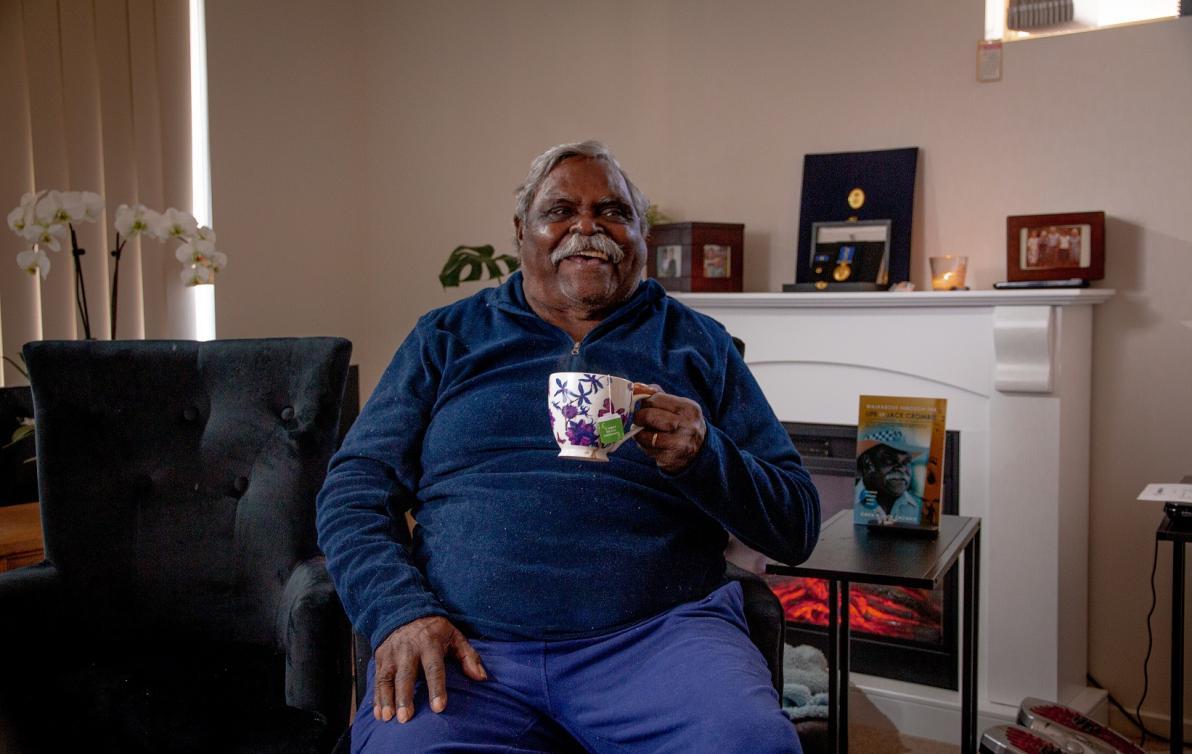 Dementia Advocates Program
The Dementia Advocates Program is for people living with dementia or mild cognitive impairment, carers and former carers who want to raise awareness, fight stigma and influence decision-makers.
 Dementia facts and figures
How common is dementia in Australia? Dementia Australia’s quick, authoritative guide to dementia prevalence.

Meet Dementia Australia's Patrons, Ambassadors and Honorary Advisors
Dementia Australia enjoys the support of respected and high profile Australians who are motivated by the impact of dementia in their own lives, to help others. They champion our cause and help us advocate to decision makers.
We also work with leading health professionals and researchers who use their professional expertise and profile to strengthen our advocacy.

Get in touch
Our advocacy takes a systemic approach. If you’d like to share feedback or alert us to a policy issue, contact us at the link below.