
LGBT+ people and dementia
Dementia can affect anyone, regardless of age, background, culture, or if you’re lesbian, gay, bi+ or trans. But if you are a member of the LGBT+ community, your needs might include affirming, inclusive, sensitive support, community connection and information.
All information on the Dementia Australia website is for everyone, but this page brings together resources specifically designed to support LGBT+ communities.

Dementia Australia has partnered with ACON, a nationally recognised LGBTQ+ health organisation, with support from the Victorian government, to create this page: a collection of links, resources, information and support dedicated to members of the community impacted by dementia.


Dementia describes a collection of symptoms caused by disorders affecting the brain. It’s not a normal part of getting older, and it’s not one specific disease. Instead, it’s a broad term that covers the effects of a number of different medical conditions, including Alzheimer’s disease.
Dementia can affect anyone at any age. If you’re part of the LGBT+ community, this website and all Dementia Australia’s services are for you.
Staying connected in pride
Pick a card below to jump down the page, or scroll to explore them all.









LGBT+ and dementia: your rights
Living with dementia brings challenges. Understanding your rights as an LGBT+ person helps you access the support you deserve and make informed decisions about your care.
Affirming and inclusive support
You have the right to receive care and support that respects and affirms your gender identity, sexuality and relationships. This includes using your correct name and pronouns and acknowledging your partner and chosen family.
Make your own decisions
You have the right to make decisions about your daily life, your care, and your future. This includes where you live, who supports you, and how you spend your time. If you need help making decisions, you can choose someone you trust to support you.
Control your personal information
You have the right to decide what information you share about your identity, relationships and personal history. You choose who knows about your sexuality, gender identity or relationships, including healthcare providers and aged care services.
Have your gender identity and relationships respected
Your relationships, chosen family and identity must be recognised and respected. This includes your partner, close friends and the community connections that matter to you.
It's your choice who you tell about your sexuality or gender. Discrimination based on sexuality or gender is illegal.
You have the right to make your own choices about how you live your life and to be treated with dignity and respect. Many aged care services are safe and affirming for LGBT+ people.
Know your rights
Victorian Equal Opportunity & Human Rights Commission’s LGBTIQ rights resources.
Older Person Advocacy Network (OPAN): national advocacy for older people.
The Australian Government’s Charter of Aged Care Rights.
The Australian Government’s Aged Care Diversity Framework initiative.
Council on the Ageing (COTA) Victoria: Representing the rights of people aged 50+ in Victoria.
Advance Care Planning Australia: information about planning ahead.
Support and advocacy
If you're experiencing discrimination or need advocacy support:
Dementia Australia National Helpline: 1800 100 500
Older Persons Advocacy Network (OPAN): 1800 700 600
Keep scrolling for more, or click to go back to the top and choose another card.

LGBT+ dementia resources and guides
Finding the right information and support makes a real difference when navigating dementia. Whether you're living with dementia, caring for someone, or supporting LGBT+ clients professionally, this collection brings together trusted Australian resources for LGBT+ communities, and Dementia Australia's comprehensive guides that are designed for everyone.
General dementia information
The Dementia Guide: Dementia Australia's comprehensive resource for people living with dementia, carers, families and communities.
The Young Onset Dementia Guide: the go-to resource for people diagnosed with dementia under the age of 65, their carers and chosen family.
LGBT+ dementia information
LGBTI and Dementia: understanding changes in behaviour.
LGBT+ Language Guide: understanding inclusive terminology and communication.
We Are Still Gay: exploring the experiences and needs of LGBT Australians living with Dementia.
Support for people who are lesbian, gay, bisexual, transgender or intersex or other sexual orientations or are gender diverse or bodily diverse: My Aged Care information on accessing affirming aged care services.
Celebrate Ageing: building respect for older people in our communities.
Council on the Ageing (COTA) South Australia’s Rainbow Rights Toolkit: a practical resource for rights and advocacy.
LGBTIQ+ Health Australia’s Community Resources.
Positive Life NSW’s guide to HIV-Associated Neurocognitive Disorder (HAND).
For LGBT+ carers and families
Support for LGBTI Carers: Carer Gateway’s services and information.
Keep scrolling for more, or click to go back to the top and choose another card.
LGBT+ and dementia: planning ahead
Our lives move quickly, and no one wants to think the worst could happen. That’s why it’s important to plan for the future. Planning for challenges at different stages of our life makes it easier for us, our partners, families of choice, friends and carers. Here are some advanced planning resources in Victoria and Australia.
Planning resources
- Advanced Care Planning: gives you the opportunity to plan your future health care and medical treatment while you're healthy and can make decisions yourself. There is more information at Advanced Care Planning Australia.
- Advanced Care Directive: an Advanced Care Directive records your preferences about your healthcare and treatment in case you are seriously ill or injured and not able to make decisions.
- Power of Attorney - a legal document that gives a person or trustee organisation the legal authority to act for you to manage your assets and make financial and legal decisions on your behalf while you are still alive. This person should understand and respect your identity, recognise your partner and chosen family, advocate for your needs and wishes and align with your values.
- Will: a legal document with instructions for who you want to inherit your estate, care for your children, and be the Executor of your estate when you die. It details:
- who you want to receive your assets, including digital assets
- who you want to receive specific personal and heirloom items (sometimes called chattels in legal documents). Pets are included in this category
- any religious, spiritual or cultural arrangements for your funeral
- who you choose to be your Executor (the person who makes sure the instructions in your Will are followed).
Keep scrolling for more, or click to go back to the top and choose another card.
Finding LGBT+ affirming doctors
Having a doctor you trust is essential when navigating a dementia diagnosis, ongoing care and specialist referrals. An affirming GP understands your experiences and supports you to be open about your identity, relationships and health needs.
How to find LGBT+ affirming doctors
For trans and gender diverse people, TransHub’s Find an Affirming Health Professional helps you locate trans-affirming GPs across Australia. These doctors typically also have experience supporting lesbian, gay, bisexual and intersex patients.
Questions to ask before booking
- Do you have an LGBT+ inclusion policy?
- Have doctors and staff completed LGBT+ awareness training?
- Do you currently have LGBT+ patients?
- Are you comfortable discussing [specific health concern relevant to you]?
LGBT+ specialist health services
- Victoria: Thorne Harbour Health: General practice for LGBTIQ+ communities, plus specialist HIV care in Melbourne.
- New South Wales: Kaleido Health Centre: LGBTQ+ focused primary healthcare in Sydney.
Keep scrolling for more, or click to go back to the top and choose another card.
State-based LGBT+ services
LGBT+ organisations across Australia offer programs, support and community connections for older people and people living with dementia. Here is a list of key services in each state and territory.
Keep scrolling for more, or click to go back to the top and choose another card.
LGBT+ and dementia: navigating aged care services
Finding aged care services that welcome and affirm LGBT+ people ensures you or your loved one receives respectful, quality care. The Australian Government's My Aged Care system includes ways to identify providers committed to LGBT+ inclusion.
How to find LGBT+ affirming aged care
Visit My Aged Care's 'Find a provider' service and use the search filters to show providers offering verified specialised care for lesbian, gay, bisexual, transgender and intersex people.
What verified specialisation means
Providers verified for LGBT+ specialised care have demonstrated:
- safe, inclusive practices (such as Rainbow Tick accreditation standards)
- support for LGBT+ community connections and events
- LGBT+ involvement in service improvement
- regular LGBT+ awareness training for staff.
While all aged care providers must treat everyone with dignity and respect, verified providers have demonstrated their commitment to LGBT+ inclusion.
Questions to ask providers:
- Do you have an LGBT+ inclusion policy?
- What LGBT+ training have staff completed?
- Can I speak with current LGBT+ clients or their families?
- How do you support people to maintain LGBT+ community connections?
Need help choosing services?
Call My Aged Care on 1800 200 422 or visit myagedcare.gov.au.
Keep scrolling for more, or click to go back to the top and choose another card.
LGBT+ and dementia: community connection
Staying connected to LGBT+ community supports your wellbeing, helps maintain skills and memory, and provides a sense of belonging. Here are some ways to stay connected:
Find LGBT+ groups and services
Use our state-based services section below to find LGBT+ social groups and organisations in your area that understand your experience. Many organisations offer regular meetups, creative programs, exercise classes and social events.
Stay in touch with loved ones
Maintain contact with your partner, chosen family and friends through regular phone calls, video chats or visits.
Explore local community activities
Many local groups welcome LGBT+ members. Ask about inclusivity at your gardening club, library, fitness centre or other community programs. If you have issues with mobility or transport, many organisations offer online social groups, virtual events and phone support programs.
Access volunteer visitor programs
If you receive an aged care or home care package, you can access the Aged Care Volunteer Visitors Scheme. LGBT+ specialist providers operate in every state.
Keep scrolling for more, or click to go back to the top and choose another card.
LGBT+ community stories
Hearing from other LGBT+ people living with dementia, and those who care for them, can help you feel less alone and more connected. These stories share real experiences, insights and hope from our communities.
Stories can be powerful: they remind us that while dementia brings challenges, LGBT+ people continue to live meaningful lives, maintain important relationships, and stay connected to what matters most.
Watch and listen to LGBT+ community members share their dementia journeys in their own words.
We are currently gathering stories from LGBT+ people and their loved ones. If you'd like to share your Dementia experience, please contact us.
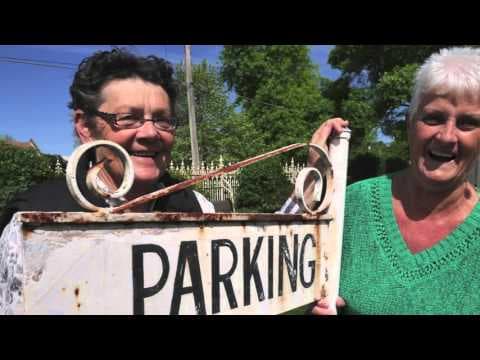
Dale and Lillian
‘My name is Dale and I was born in 1943. My partner Lilian was born in 1937. We were together for 20 years. The most impressive thing about Lilian was her brain. She had a first-class honours degree and her thesis had been on aged care. She was a great advocate of leaving people in their homes and supporting them…
‘I went to a carer support group and it was fantastic, great stuff. There might have been some people biting on their tongues about the fact I was a lesbian, I don't know, but it didn't bother me because I didn't notice it. But nobody left the room. I think there's enough out there in public about same sex couples that I think you'd have to go a long way to find somebody who'd react.
‘I was the only one in our carers support group who was still caring at home and I'm the only one in the group who cared at home until death. For me it was the better choice from the point of my conscience and being true to her, but also in terms of convenience because otherwise I would be worrying, having sleepless nights. And I have to live with myself afterwards, so I had to have a good conscience about it.
‘So that’s why it happened. There might have been a time when it became impossible but it didn’t, Lilian died before it was impossible. It got very close though.’
Greg and Kevin
Greg: ‘In 2006 we were first diagnosed. It's been frustrating. I get halfway through the conversation if it is interesting and I lose the focus on it.’
‘You don’t stop being gay if you get dementia. Naturally you are still gay. Saying I would become straight is being stupid, because for a person being gay is part of your life, a part of your make-up. No, we can't make being gay disappear, it's there in front of you.’
Kevin: ‘Greg and I have been together for nearly 40 years. I'm 75. We have never been the type to flaunt our sexuality. If anybody asks, yes, they're told. The people looking after us have never questioned or asked flat out are we gay.’
‘We have quite a few lesbian neighbours, we look after them, they look after us when it comes to going away. I think it's important to mix with gay people because, you can freely speak I suppose. Like me saying we don't flaunt our sexuality with the community but when you're mixing with your own type, if you like, you speak freer.
‘Yesterday morning was a club meeting and talking to 100-odd people, and Greg put his hand up to ask a question. I've suddenly realised he's going to come out with something that could be taken the wrong way and I intervened. I actually had to explain to the speaker that Greg is my partner and a couple of the guys said to me later, “Hey, what's this mean about being your partner?”’
Greg: ‘I never flaunt myself. No, never have. I've always been reserved. I’m 77.’
Kevin: ‘A cleaner comes into the house two hours every fortnight and vacuums, irons, cleans the showers and all that. That's what we're getting at the moment. It's normally the same lady that comes every time but there's the odd times when I've had to cancel and try and get another day.
‘It's obvious to whoever comes to work through the house that Greg and I are sleeping in the same bed and all that. No questions asked, no problem, they joke with us, good with us, no problem at all.
‘It was interesting, our case manager we've had for quite a while - I took it for granted that she's put two and two together. Months ago, something came up, and I said, “you're obviously aware that Greg and I are gay,” and she said then, “No, I wasn’t.” She said to me, “Well, when I first met you two it never entered my head that you might be gay.” She was fine with it. She's also got somebody else that’s gay I think, and I also know our home help lady has had to actually do cleaning for friends of ours who are gay.
‘I suppose one thing service providers need to know is treat LGBT people with dementia as humans. Service providers shouldn't show any discrimination against gay people with dementia.’
These two stories come from real people. You can read their full stories, as well as stories from other people, in ‘We are Still Gay’, an evidence-based resource exploring the experiences and needs of lesbian, gay, bisexual and trans Australians living with dementia.
Keep scrolling for more, or click to go back to the top and choose another card.
For health professionals
Health professionals, aged care workers, support coordinators and service providers play a vital role in ensuring LGBT+ people living with dementia receive affirming, quality care. This section provides training, resources and guidance to support inclusive practice.
Whether you're new to working with LGBT+ communities or looking to deepen your knowledge, these resources can help you provide care that respects identity, recognises relationships and upholds dignity. Inclusive dementia care is ethical, evidence-based, person-centred, and transformative
Key principles for inclusive practice
- Use correct names, pronouns and terms for relationships.
- Recognise chosen family alongside biological family.
- Don't make assumptions about identity, relationships or history.
- Create environments where people feel safe to be themselves and display visible signs of safety (e.g., the Pride Progress flag, culturally inclusive posters).
- Understand that some older LGBT+ people have experienced significant discrimination.
- Respect decisions about disclosure and privacy.
- Include partners and chosen family in care planning and decision-making.
What inclusive care requires
- Recognising and affirming identity every day, not only at intake.
- Creating policies and environments that reflect real-world diversity.
- Equipping all staff with the knowledge and tools to deliver respectful, identity-aware care.
- Embedding inclusion into documentation, training, leadership, and everyday interactions.
Professional development and training
- Rainbow Health Australia: a program that supports LGBTIQ health and wellbeing through research and knowledge translation, training, resources, policy advice and service accreditation through the Rainbow Tick.
- ACON Pride Training: providing specialised LGBTQ+ awareness and inclusivity training.
- Catalyst Foundation LGBTIQA+ Training: workshops for health and community workers supporting LGBTIQA+ people and communities.
Practice resources
- Supporting an LGBTQ+ person with dementia: Alzheimer's Society UK’s practical guidance on providing affirming dementia care.
- Supporting coming out for LGBT people living with dementia: Dementia Support Australia’s help sheet containing information for care staff about the process of coming out and how to support an LGBT person living with dementia.
- Supporting LGBT+ older adults living with dementia: a scoping review summary of needs, service access and current practices to support LGBT+ older adults living with cognitive impairment and dementia.
- Inclusive communication with LGBT+ clients: the Australian Institute of Family Studies’ guidance on respectful, affirming communication.
- LGBTI People and Dementia: LGBTIQ+ Australia’s factsheet for aged care workers to provide guidance on how to support LGBTI people living with dementia in aged care.
- LGBTI and Dementia – Understanding Changes in Behaviour: Dementia Support Australia’s booklet for aged care staff caring for lesbian, gay, bisexual, transgender and intersex (LGBTI) people.
- Actions to support Lesbian, Gay, Bisexual, Trans and Gender Diverse and Intersex elders: A guide for aged care providers
Keep scrolling for more, or click to go back to the top and choose another card.
Dementia Australia and ACON acknowledge and thank the Victorian government for supporting the funding of this page.
More for you
 The National Dementia Helpline
Call 1800 100 500 for free and confidential expert information, advice and support, 24 hours a day, seven days a week, 365 days a year.
 About dementia
Dementia is a brain condition. It’s not a normal part of ageing. Learn more about dementia, its symptoms, diagnosis, treatment, and available support.
 Living with dementia
A dementia diagnosis changes things, but support is available. Learn about changes you can expect, how to plan ahead, and how to stay safe and connected.
- Diversity, equity and inclusion
At Dementia Australia, we are committed to creating a workplace where every individual is respected, valued and supported to succeed.
 Louisa Smith
Rainbow Connections: Co-designing training and engagement resources to help community visitors to make and maintain social connections with LGBT+ people with dementia