
Advice for carers, from carers

Caring for someone living with dementia can be rewarding but it also can bring unexpected challenges.
We asked carers to share their experiences, advice and practical tips to help others feel more prepared and supported.
You can’t do it by yourself
When Imelda’s late husband Graham was diagnosed with young onset Alzheimer's disease she knew she needed the support of others.
“You need someone to walk the journey with,” Imelda (pictured above with Graham) said.
“You need people beside you because you can’t do it by yourself.”
Since then, she has become a passionate Dementia Advocate helping others navigate the challenges of dementia.
“The important thing is to get yourself into a community where there are other people who are experiencing a similar journey,” Imelda said.
“It won’t be the same as yours but a similar journey.”
Imelda also encourages carers to be kind to themselves as dementia changes relationships over time.
“The things that are happening aren't personal, it's the disease that's doing it.”
Expect the unexpected
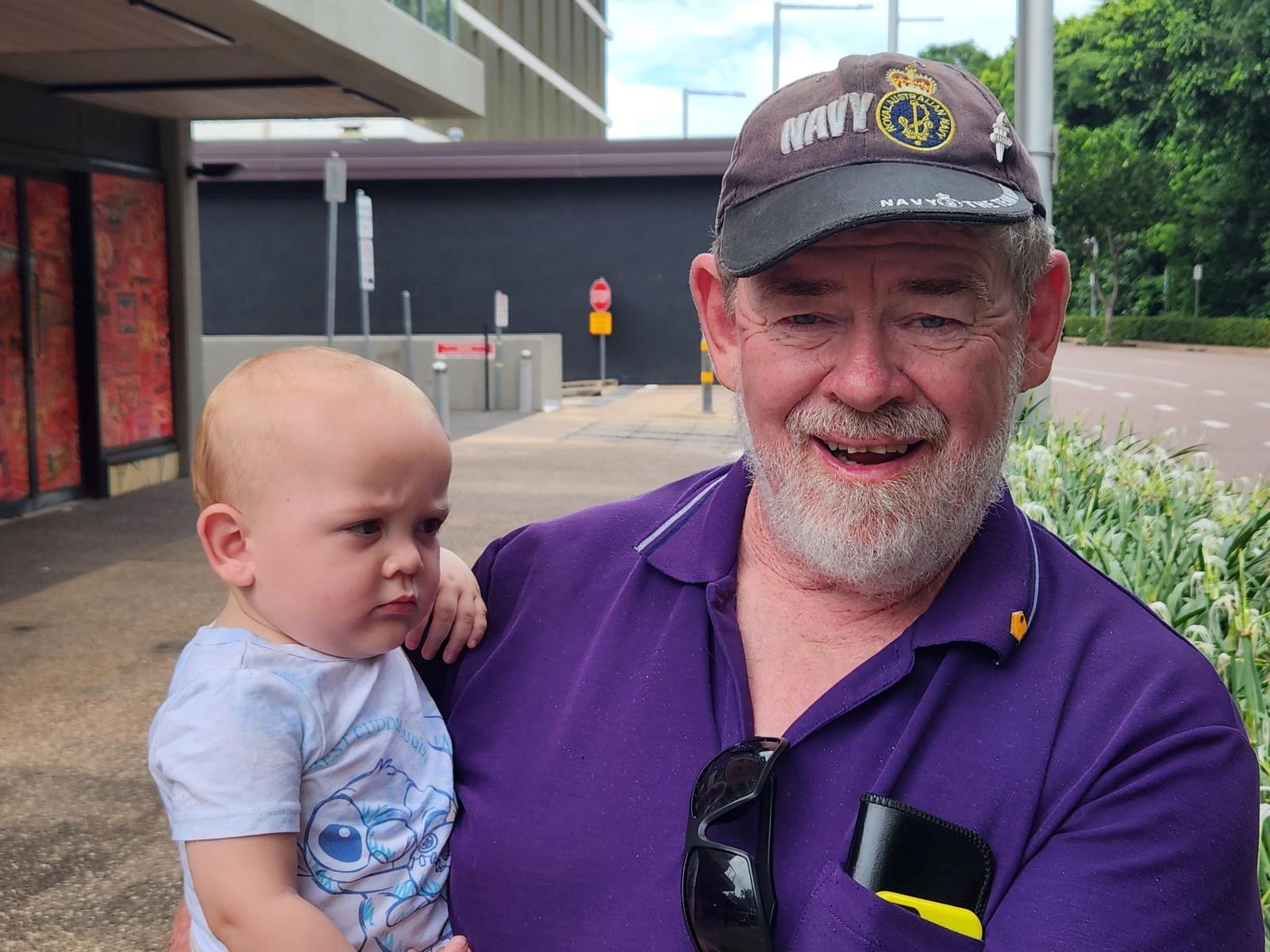
Michael (pictured above) shares the advice that helped him while caring for his late wife Denise who lived with Alzheimer’s disease.
“Expect the unexpected and look after yourself. They're probably the two biggest lessons I'd share,” Michael said.
He also encourages carers to seek out trusted information and remember that support is available.
“Spend some time exploring the Dementia Australia website. There is an enormous amount of information there.
“There are bucket loads of resources and it's all good material.
“And remember that while it can be challenging, you're not facing it alone.”
Finding connection and taking time for yourself
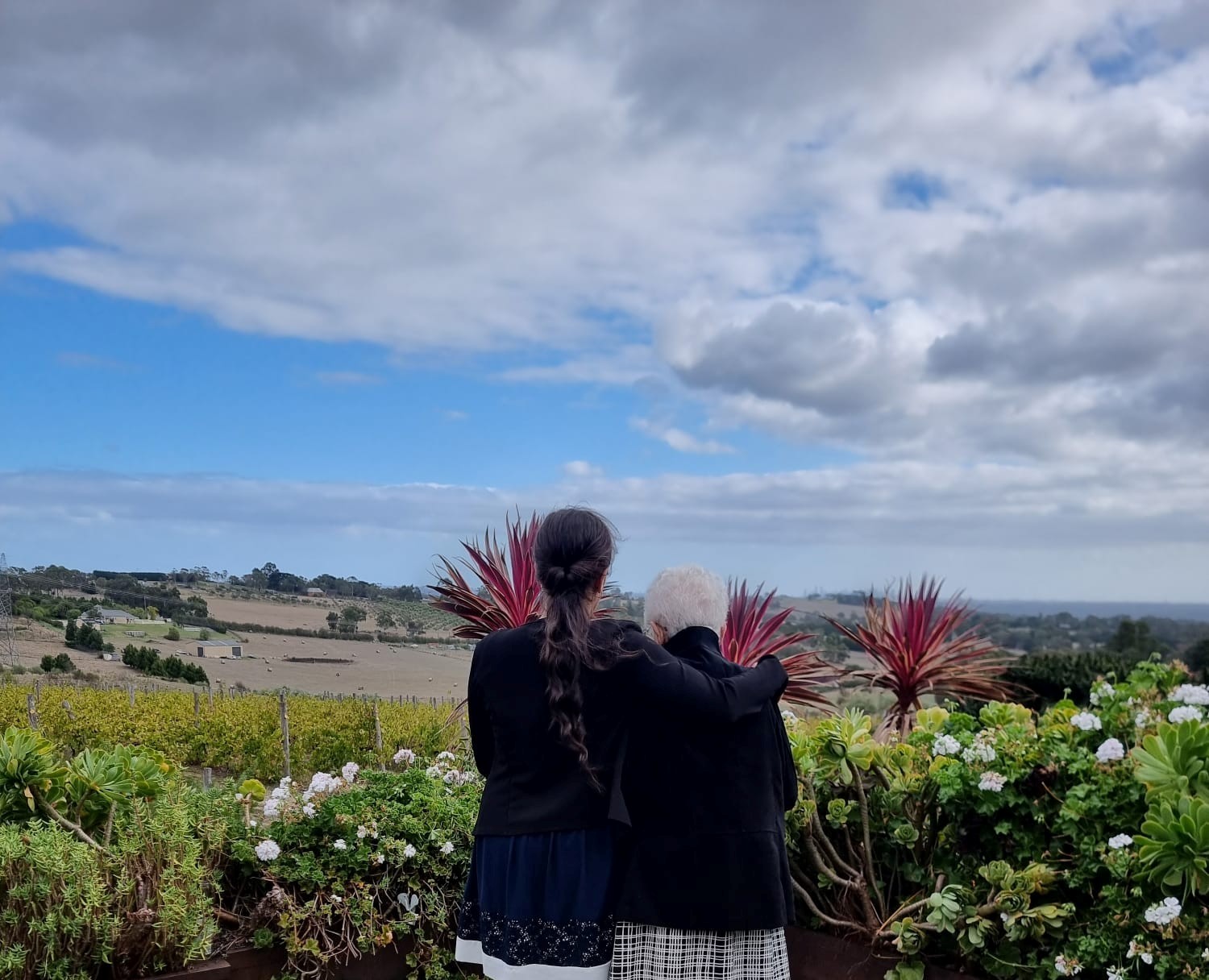
For Renee, caring for her grandmother Carmen has taught her the importance of accepting help and taking time for yourself.
“I think it's okay to ask for support and acknowledge that whilst it can be very rewarding, it can also be hard and challenging over time,” she said.
“I've come to accept that it's okay to admit how hard it really can be at times.
“It doesn't take away from the many good moments of being a carer however carer burnout is very much a real experience that many people face.
“It's okay to do it on your own but it's also okay to ask people for help as well.
“I'm so grateful that we care for my nanna at home and have some family support, services and more. Support is available.
“The National Dementia Helpline has also helped on occasion through the night time.
“I would say definitely go and find a carers’ program to meet other carers who can resonate and show understanding of what you're experiencing or share tips with each other.
“Take some time out for yourself, whether it's a dinner, a walk or an activity of some sort, just to get your mind off it.
“It doesn't take away from your ability as a carer just because you're getting help from different services that can help.
“In fact, it actually provides you more energy to better care for your loved one.”
Reach out before crisis point
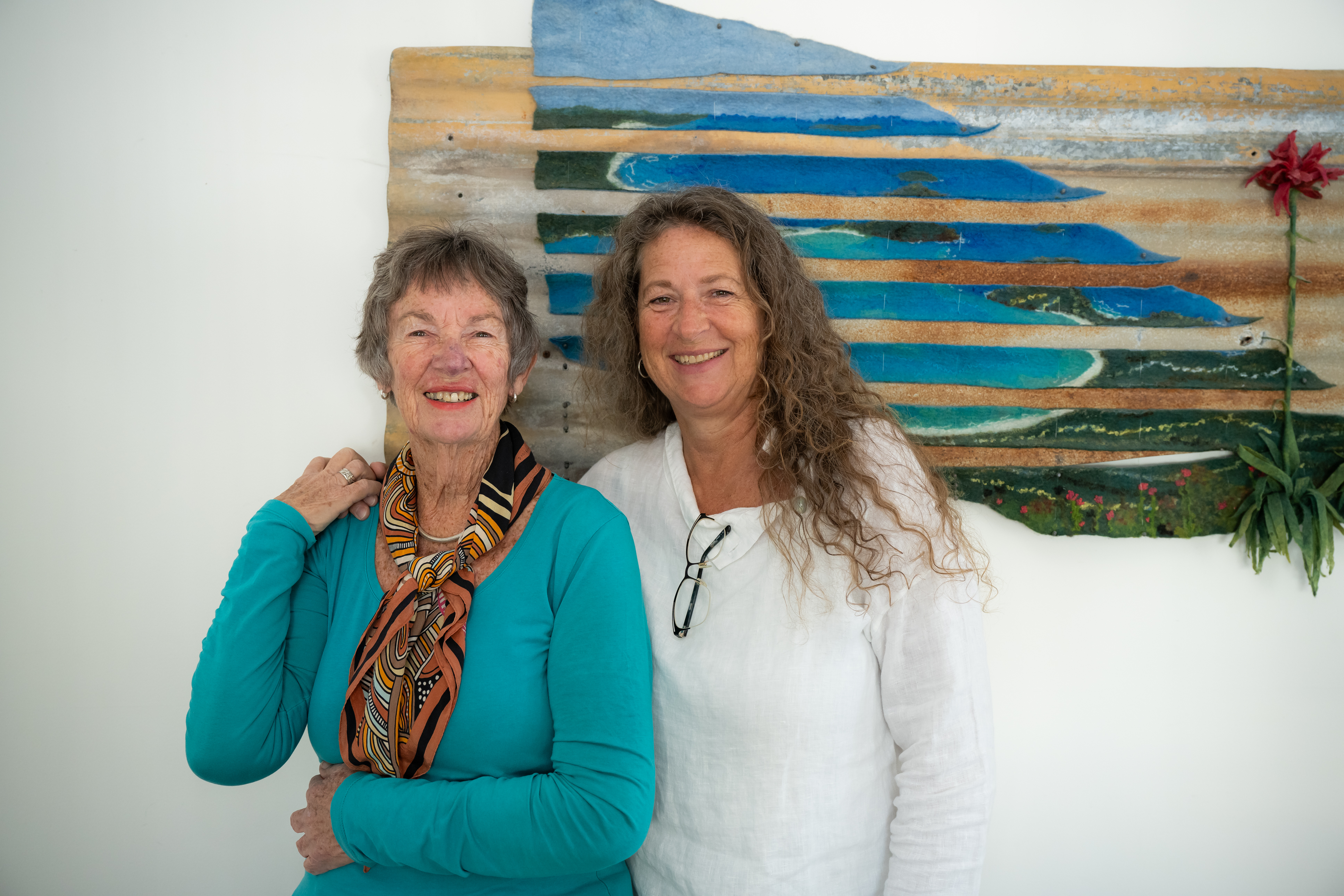
After spending five years supporting her mum Wendy who lives with Alzheimer’s disease, Kim (pictured above with Wendy) advises not to wait until you’re overwhelmed before reaching out for support.
“Start seeking support groups or something before it becomes ‘I can’t do this’,” Kim said.
Connecting with other carers helped her feel understood during some of the most challenging times.
“Only carers get what carers are doing,” she said.
Kim also reminds us of the importance of prioritising your own wellbeing as a carer.
“I meditate, I journal, I walk on the beach, I exercise, I go in the bush, I listen to music.”
Some practical tips from our Helpline team
Our National Dementia Helpline advisors encourage carers to remember that looking after themselves is an important part of caring for others.
- Make time for yourself, even in small ways. Self-care doesn't have to mean a whole day away. It might be an hour with friends, a short walk or even a five-minute cup of tea. Small breaks can make a meaningful difference.
- Don't forget your own health. It's easy to focus on everyone else's appointments and needs. Try to stay on top of your own check-ups, health appointments and wellbeing.
- Pay attention to the warning signs. Feeling increasingly frustrated, overwhelmed, exhausted or finding less joy in things you usually enjoy can be signs that you need additional support or a break.
- Stay connected. Talking with others who understand can help. Support groups, one-on-one conversations and peer support can provide encouragement, practical advice and reassurance.
- Remember you don't have to carry everything alone. Caring can feel like carrying a heavy hiking backpack. Sometimes it helps to pause, take stock of what’s inside and ask whether someone else can help carry part of the load.
- Give yourself permission to ask for help. It's okay to take a break, rearrange priorities and accept support from family, friends or services when you need it.
Need support?
Every caring journey is different.
For information and advice tailored to your situation, contact the National Dementia Helpline on 1800 100 500.
The Helpline is available 24 hours a day, seven days a week.
Connecting Peers, our one-to-one peer support program, connects people living with dementia and carers with peer leaders who’ve been through a similar experience.
You can find more information and support on the Family, friends and carers pageof our website.